
Gameplay Insights #4 : Forging New Worlds – Visuals, Biomes, and Exotic Wealth
Greetings, Astra Odysseans!
In our previous updates, we deep-dived into the grand strategic pillars of Beyond Astra: Science, Religion, Culture, Economy, Diplomacy, and Military. Today, we are taking a step back to discuss a lighter, yet equally vital topic: the worlds you will conquer, and how they look.
But first, let’s address the question we receive most often: “When is the game coming out?”
The honest answer is: when we feel it is truly ready to deliver the experience you deserve. What we are showing you today is just the tip of the iceberg. Behind the scenes, Valentin is constantly optimizing the engine, squashing bugs, and fine-tuning the intricate gears that make a living galaxy tick.
The Visual Evolution
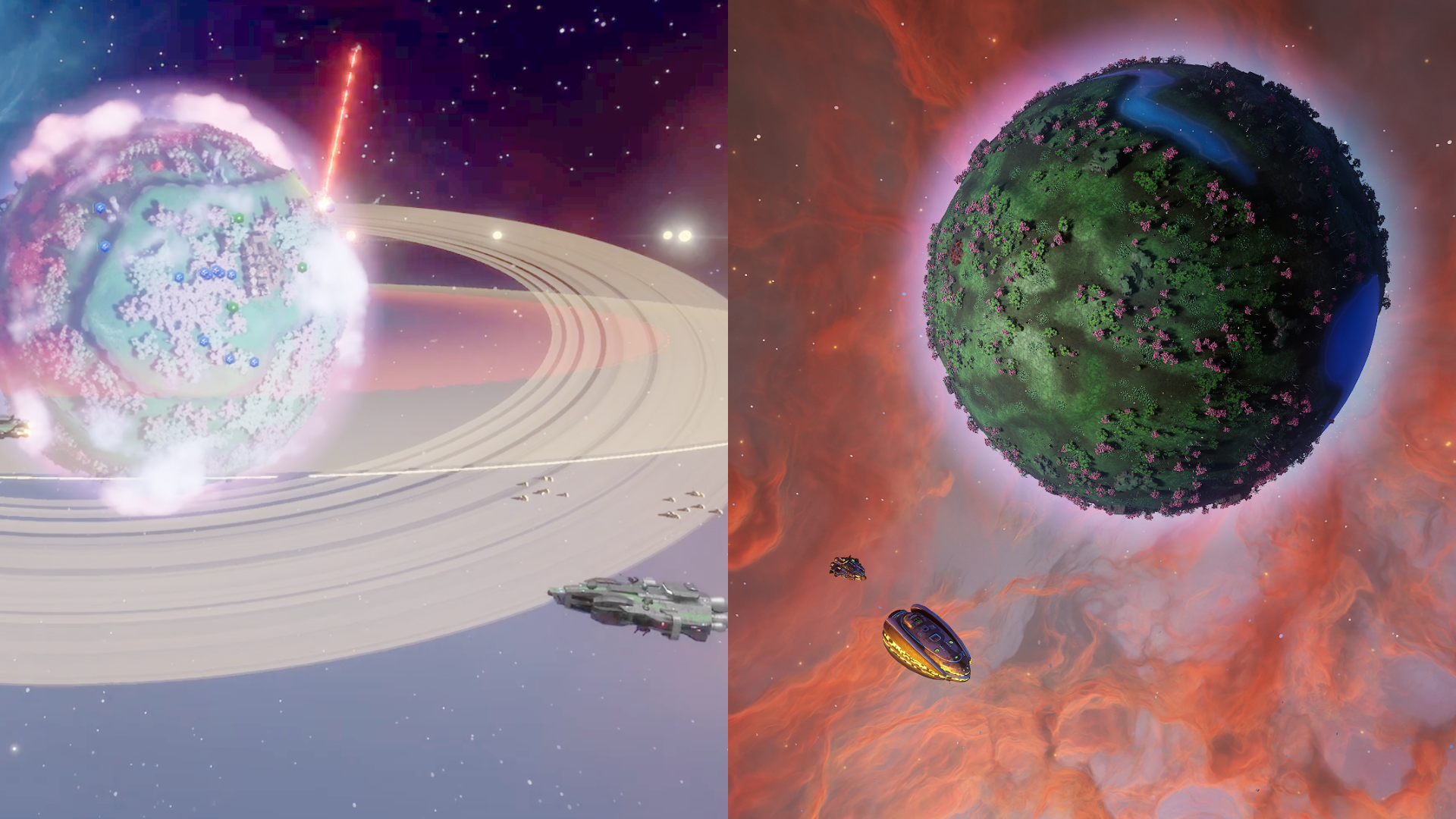
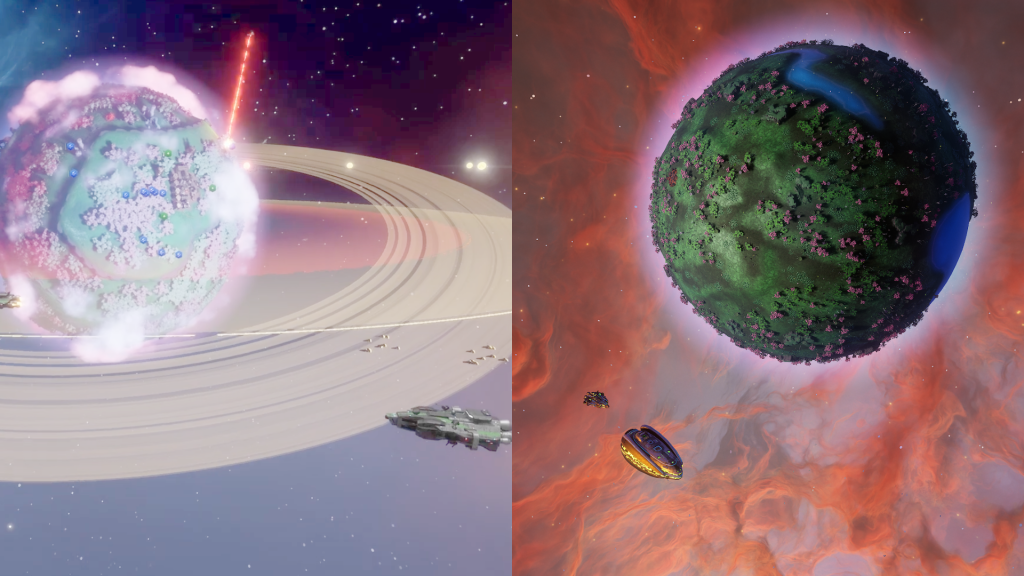
During the Alpha Preview Demo, we opted for a semi-stylized art direction with a restricted polygon count. We chose this path as a safety measure: we wanted vibrant, recognizable planets, but we needed an absolute guarantee that our seamless “city-to-galaxy” zoom would run smoothly on a wide range of PC configurations.
Thanks to the incredible success of the game’s announcement, the Alpha Demo, and your massive support, we gathered invaluable performance data from tens of thousands of different setups. The great news? Our multi-threading and engine optimizations performed even better than expected, leaving us with significant performance headroom.
Coupled with the success of our Kickstarter and additional funding secured, we made a bold decision: pushing the game’s visuals toward a more realistic, credible, and immersive art style.
This visual leap leads us directly to the very foundation of Beyond Astra: The Planets.
A Universe of Biomes
Beyond Astra unfolds both in the void of space and on planetary surfaces. This balance between space and ground gameplay is the root of our tangible 4X experience. To make this universe feel alive, we have designed over 20 distinct planetary biomes for you to discover. When creating your civilization, you will choose a home biome, granting your species maximum habitability there.
Here is a glimpse into the diverse climates awaiting your colonies (each climate category encompasses three distinct planetary biomes):
Arid Climates
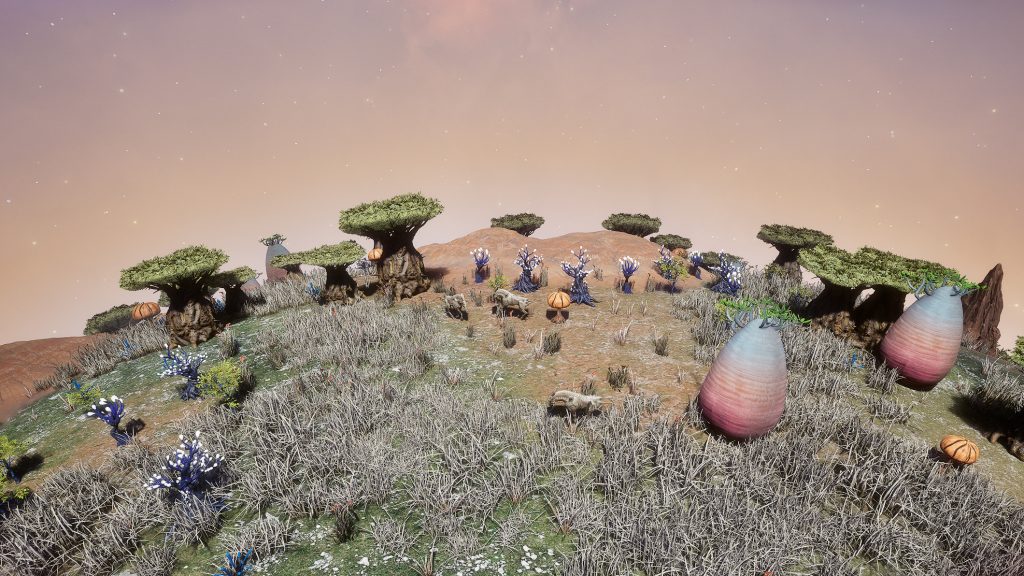
An austere beauty, sculpted by scorching winds and relentless suns. These are hot worlds made of rock, sand dunes, and cracked earth, where lifeforms have learned to survive on the smallest traces of water.
Tropical Climates
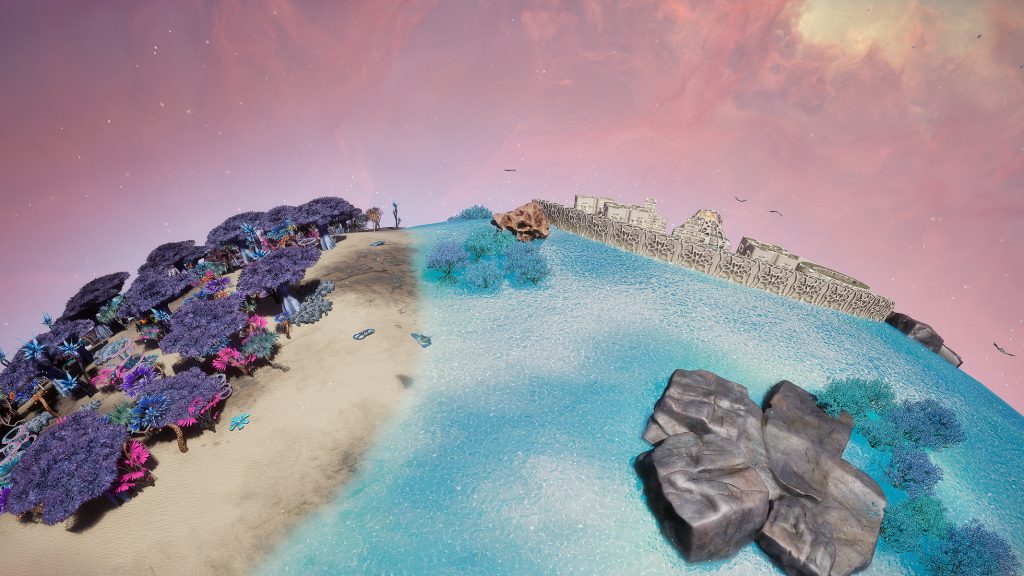
Vibrant cradles of life where water is the beating heart of the ecosystem. From the heavy monsoons of lush jungles to the crystal-clear waters of paradisiacal atolls, these worlds are an explosion of vivid colors and boundless biological diversity.
Temperate Climates
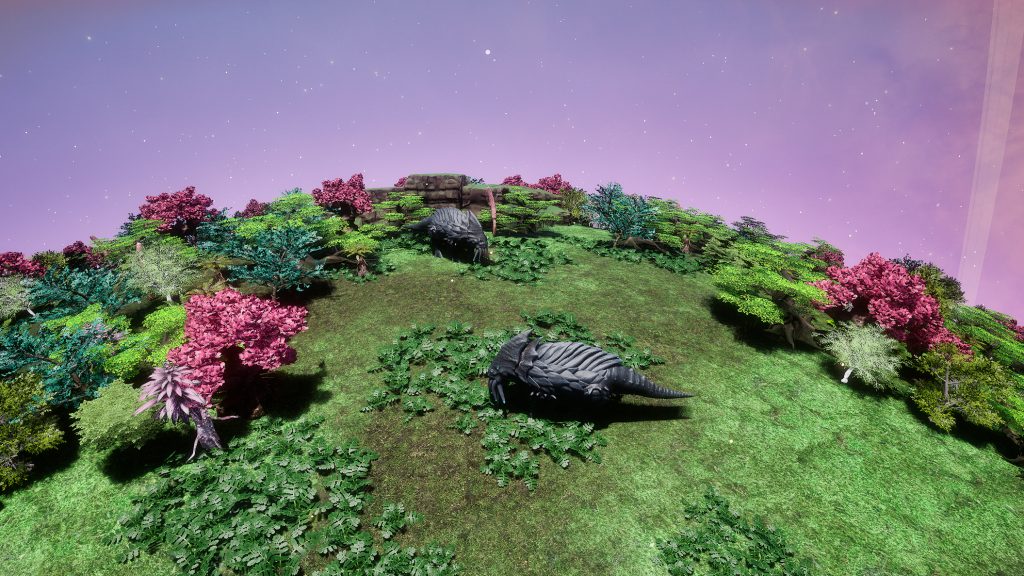
These green worlds evoke the joy of a budding spring or the mildness of a Mediterranean climate. Their landscapes are adorned with bright-leaved forests and vast grassy plains where flowers bloom, sometimes reaching gigantic proportions.
Continental Climates
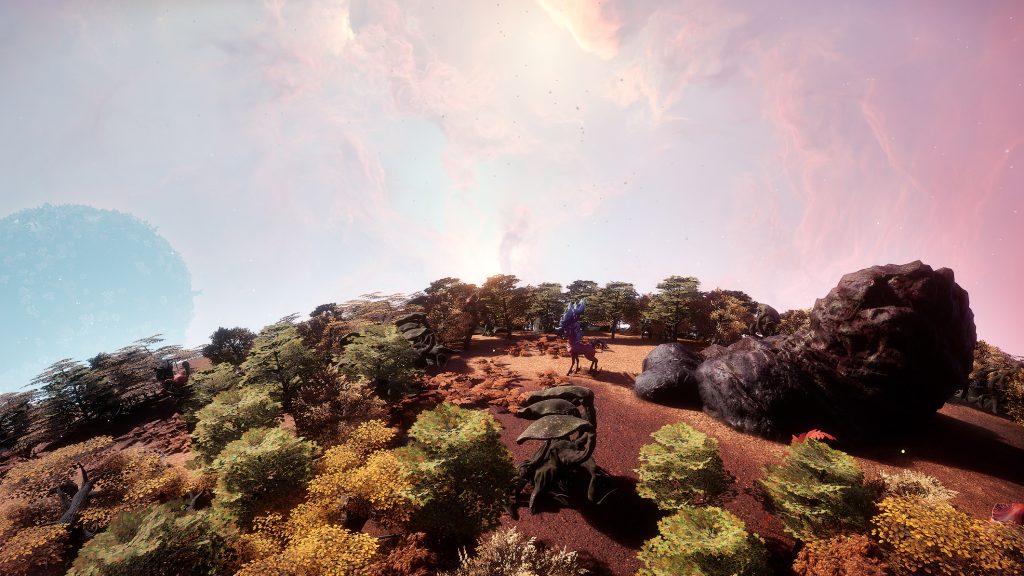
Worlds wrapped in a nostalgic, twilight atmosphere. They possess a quiet, singular beauty often defined by rich, damp soils and towering ancient forests. You can even find immense networks of titanic mushrooms forming natural vaults.
Polar Climates
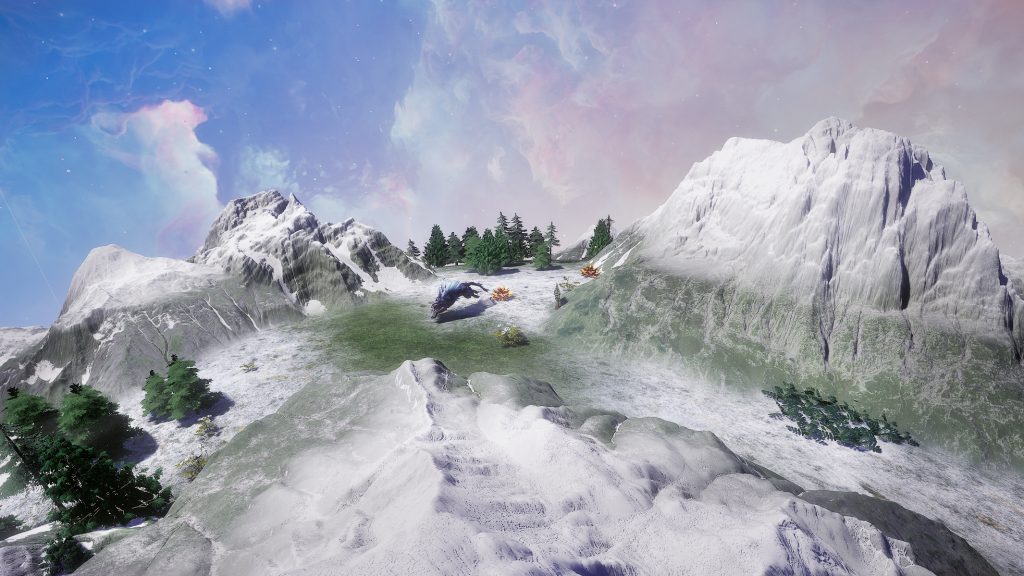
Silent expanses of ice, towering snow-capped peaks, and sometimes vast salt plains. The conditions here are swept by freezing winds, yet life has adapted brilliantly whether through tenacious lichens, sturdy coniferous forests, or brave flowers piercing through the snow.
The Extreme Worlds
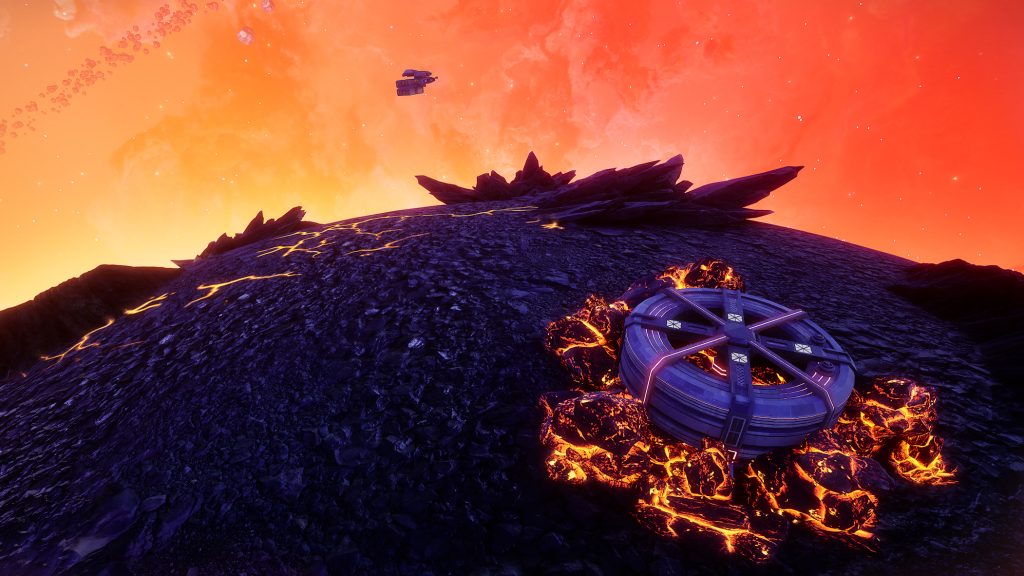
Beyond the habitable zones lie the Extreme Worlds: Volcanic (a hellscape of molten rock), Corrosive (planets with a toxic atmosphere that literally tries to digest you), and Irradiated (worlds where radioactivity has forced life to evolve in strange, unsettling ways).
These planets aren’t just visually distinct, they heavily impact gameplay. Their surfaces are so inhospitable and their fauna so fearsome that you will need to research and equip highly specific technologies or ship modules. Without them, your units’ hulls will disintegrate before combat even begins.
The Wealth of Civilizations
Why risk venturing into these hostile worlds? For Exotic Resources.
Each biome harbors unique, extractable (and often renewable) riches, divided into 6 strategic domains. Once harvested, they are physically transported by your cargo ships to your cities, where your population consumes them in exchange for powerful local bonuses:
- Vitality: Boosts population growth and habitability.
- Serenity: Increases population stability and happiness.
- Prestige: Generates Culture and attracts intergalactic tourism.
- Industry: Multiplies production output and drastically reduces costs.
- Soul: Strengthens your Faith and religious defense against enemy conversions.
- Sovereignty: Solidifies your influence and bolsters local security against espionage.
The Stacking Mechanic
We designed this system to be intuitive but tactically deep. Let’s take “Industry” (Production & Cost Reduction) as an example, these resources are all hidden on Extreme Worlds.
If you extract Pyromica from a Volcanic world and bring it to your forge city, you get a powerful bonus. But if you manage to secure exotic resources from Volcanic, Corrosive, and Irradiated worlds, and transport all three to the same city, the bonuses stack!
This creates a highly rewarding gameplay loop: explore diverse biomes, secure extraction outposts, protect your physical supply chains from pirates or rivals, and combine resources to shape unrivaled megacities.
We can’t wait for you to leave your footprints on these worlds. Thank you for your continued patience, passion, and support as we build this universe together.
Toward Astra and beyond,
Valentin & Alex