
Gameplay Insights #3: Grand Strategy Overview – Economy, Diplomacy, & Military
A deep dive into our core strategy pillars: Economy, Diplomacy, & Military.
Greetings, Astra Odysseans!
In our previous update, we explored the pillars of Science, Religion, and Culture. Today, we are completing the picture by diving into the remaining three foundations of Beyond Astra: Economy, Diplomacy, and Military.
Development is progressing passionately. As many of you know, Beyond Astra is a debut project, coded entirely by Valentin. Originally, we aimed for a Beta release by the end of 2025. However, this window has shifted slightly to early 2026. The core game is solid, but we want to take this extra time to polish the experience. While the first phase of the Beta will still have rough edges, this additional time ensures a smoother entry into our universe.
Beyond Astra is a 4X sci-fi game that unfolds both in space and on planetary surfaces, with a focus on tangible action. Going beyond simple menu navigation, the game empowers you to directly build cities, tame worlds, and command your forces. Let’s look at how this philosophy applies to the engines of war, wealth, and politics.
Economy
At its heart, economics is the management of your home. We wanted to move away from static spreadsheets and dragging pop icons into job slots. Instead, let’s look at the philosophy behind your empire’s growth.
The City-Building Foundation
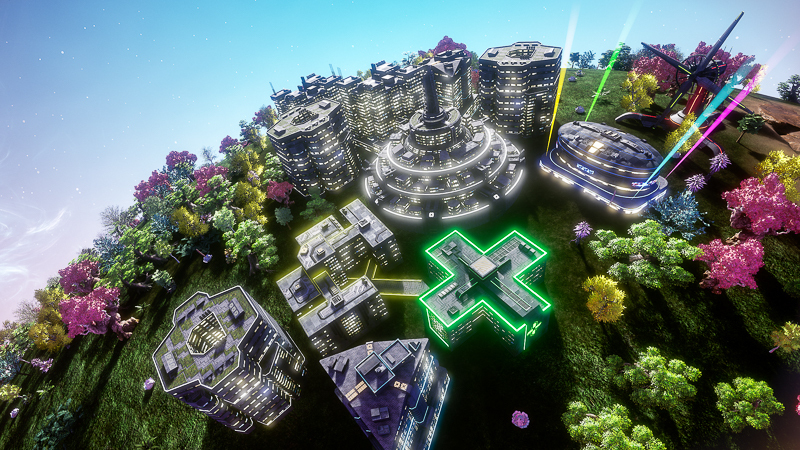
In Beyond Astra, your cities are the engine of your civilization. By integrating planetary gameplay into the 4X formula, we’ve added a layer of citybuilding. You have access to over 30 unique building types: housing, energy, agriculture, services, commerce, industry, and military defense.
Because cities are your most precious assets, space is limited for defense purposes, meaning you cannot build everything in one place. You must specialize your cities to optimize your empire. To streamline this, you can save your best city layouts as Templates to instantly replicate your most efficient designs on new worlds.
Resources & Logistics
The galaxy is rich but unevenly distributed. Basic resources (water, minerals, fertile soil) and energy sources (geothermal, solar, wind) encourage you to adapt your city planning, while strategic resources will often be the catalyst for conflict. However, the galaxy is teeming with diversity, boasting over 20 unique biomes, most containing Exotic Resources that your population can consume for powerful local bonuses.
This leads to a crucial mechanic: Logistics. In our drive for immersion, resources in Beyond Astra are physical and localized. They must be transported.
- Space Stations act as the logistic hubs of your systems.
- They link planets to one another and connect your systems to the wider galaxy.
- Trade Routes are physically simulated. You can set them to run automatically for ease of play, or manually adjust them to bypass dangerous territories or blockaded sectors.
Organic Workforce Management
In Beyond Astra, every citizen is a simulated individual, making job assignment organic.
Your workforce is divided into strata, Workers, Technicians, and Engineers that evolve naturally based on the education and housing you provide. Instead of micromanaging assignments, you guide the macro-economy: you set sector priorities and fund training programs to accelerate the shift in your workforce composition.
A Living Population
Your citizens are not just numbers, they are complex entities. They have political views, religious beliefs, vital needs, and citizenship status. They can migrate between empires, visit rival worlds as tourists, climb the social ladder, or, if neglected, incite revolution.
Your goal is to satisfy their needs. In return, they provide the workforce, Culture, Influence, and Faith you need to expand.
The Economic Twist
Just as in other pillars, we wanted to offer battles fought not just with weapons, but with soft power. Every civilization has four economic sectors: Commercial, Services, Industrial, and Military. If you have the credits, you can buy Shares in the sectors of foreign empires. This allows you to either apply a bonus (improving relations and your dividends) or disrupt them with a malus directly impacting their cities.
Diplomacy
Diplomacy is the art of navigating divergent interests. In Beyond Astra, this challenge applies as much to your own Factions as it does to rival empires. We designed a system where your internal politics are influenced by many factors including external relations, inviting you to creatively align your domestic strategy and your galactic ambitions.
Internal Politics
We aimed for a system that covers a vast range of political possibilities while remaining intuitive. When creating your civilization, you choose a political orientation (e.g., Scientific, Military, Religious) and a Regime type:
- Rotating: Ruling opinions shift regularly. (adaptation)
- Representative: The majority opinion holds power. (stability)
- Autocratic: You choose the ruling opinion permanently. (control)
Your population’s beliefs are defined by a political wheel of opposing ideologies:
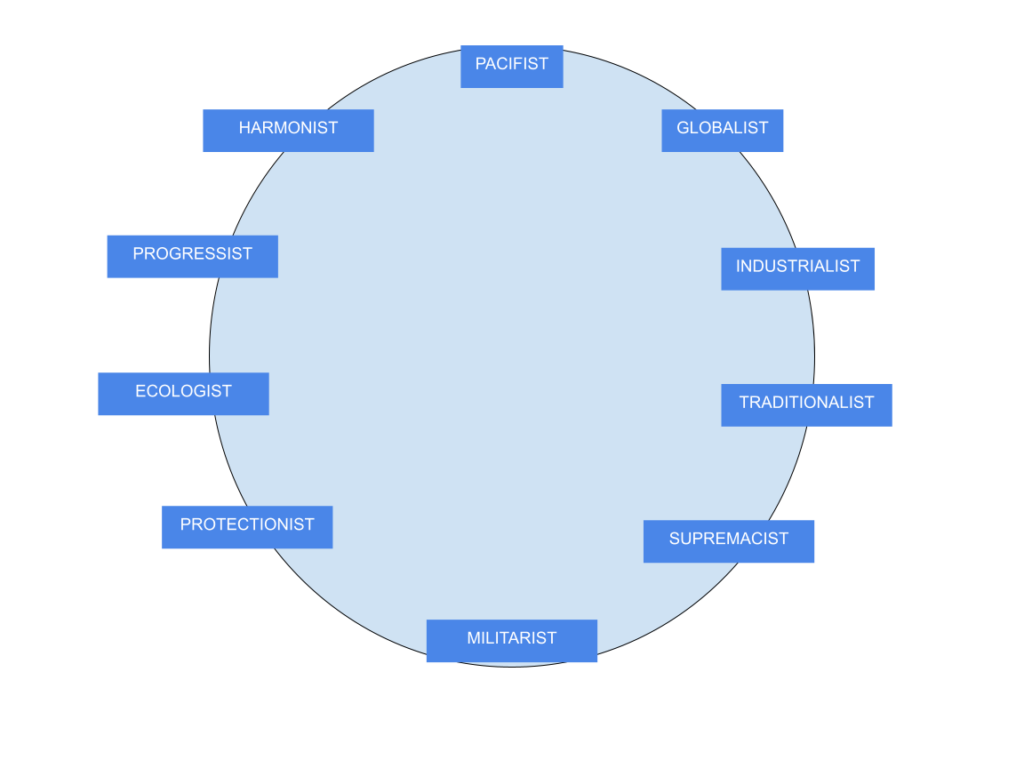
Your population’s opinions are dynamic. A war might boost the Militarist faction, but over time, polarization will strengthen the Pacifists. While you can influence these trends through your actions, we designed politics as a challenge of adaptation. Your strategy lies in turning the current political landscape to your advantage, utilizing the unique Laws offered by the ruling faction to drive your civilization forward.
External Relations
We aimed to go deeper than “Insult” or “Gift” menu options. Diplomacy relies on Envoys, tangible agents that you must deploy to specific planets to perform missions:
- Ambassadors: Improve relations, facilitate trade, boost tourism, or engage in propaganda and counter-influence.
- Spies: Gather intel, sabotage infrastructure, or conduct counter-espionage operations.
- Missionaries: Spread your faith to convert populations, destabilize rivals, or protect against spiritual influence.
The Strategic Layer
The depth comes from where you deploy them. You might station an Ambassador at home to stabilize a political faction, send them to a foreign trade hub to secure an alliance, gather intelligence on a militarist neighbor near your borders, or run counter-espionage to protect a critical Megastructure.
We also feature a robust Intel System (allowing you to spend points to reveal enemy force sizes or resource shortages, for example) and a fluid Alliance System, as trust grows, you can unlock multi-tiered treaties, eventually paving the way for a galactic Federation.
Structured Conflict & Unique Interactions
While Beyond Astra offers vast strategic freedom, we wanted to ensure that diplomacy and conflict remain fair and structured. To achieve this, we implemented features such as a contextual War Goal system, alongside engaging mechanics designed to enrich the adventure with active gameplay twists, such as Orbital Supremacy challenges to determine the fate of Minor Civilizations.
Military
The Military pillar is where all other systems converge. Your Economy funds the war machine, Science unlocks the tech, Diplomacy provides the intel, while Culture and Religion define your martial traditions and grant powerful bonuses.
Tactical Roles
Whether in the void of space or on the surface of a planet, units are divided into 5 distinct classes. To make fleet composition clear, we categorized them by their tactical role:
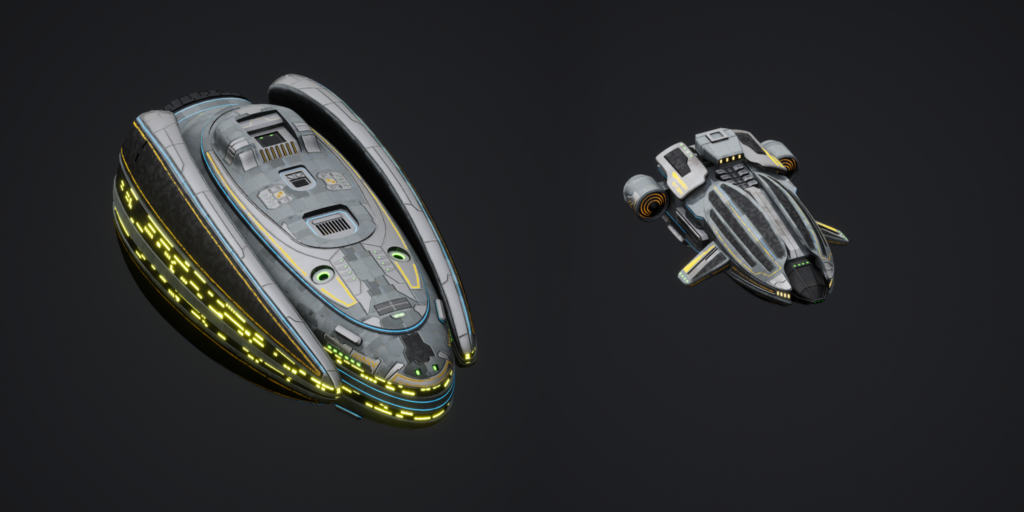
Pioneer (Utility): Essential for analyzing anomalies, harvesting exploration points, and initiating the construction of new cities, stations, or Megastructures.
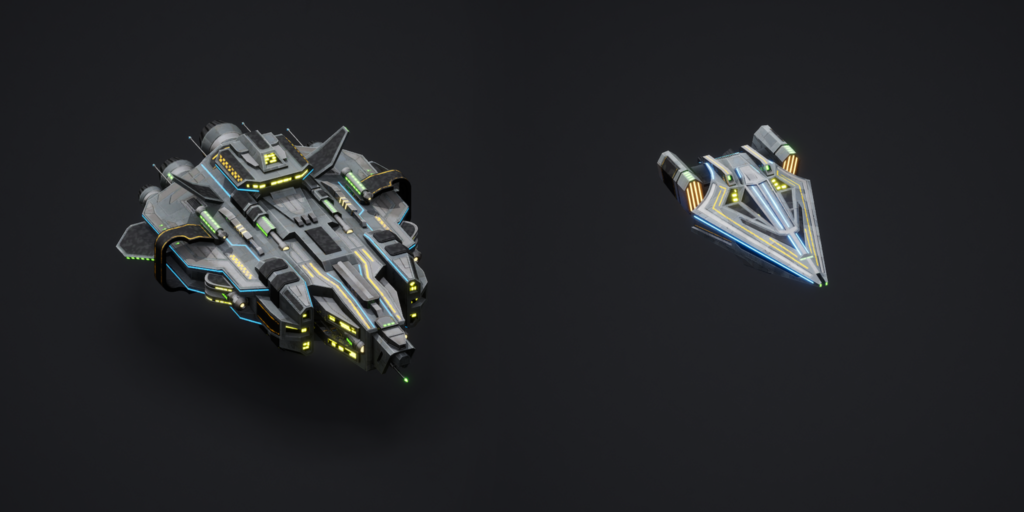
Raider (Light / Short Range): High burst damage, designed to hunt high value targets.
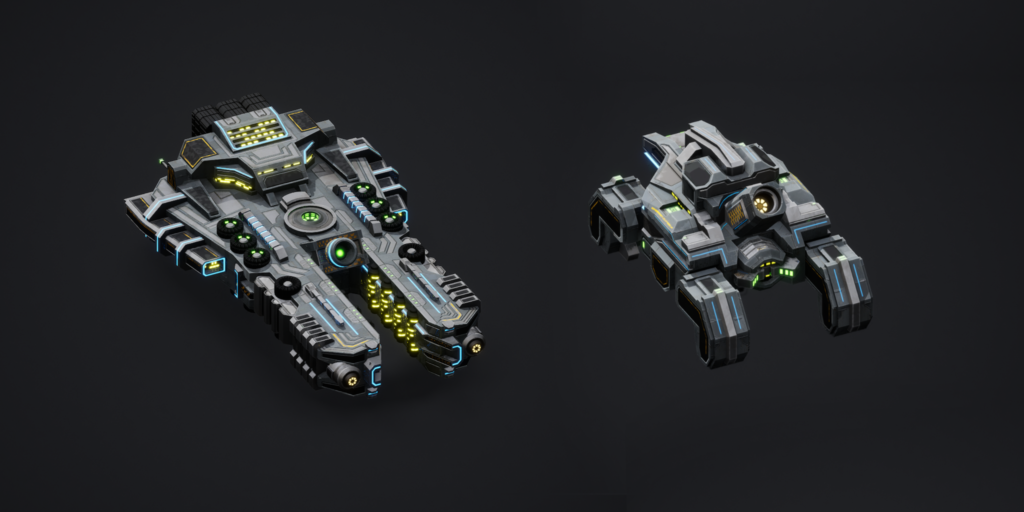
Artillery (Light / Long Range): Delivers massive sustained damage but requires protection.
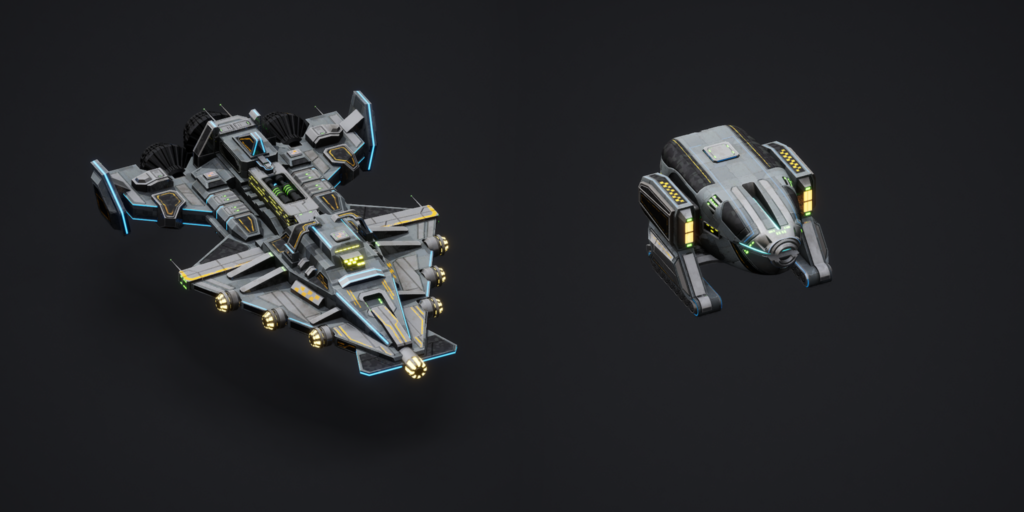
Escort (Medium / Mid Range): Specialized in crowd control to manipulate the flow of battle.
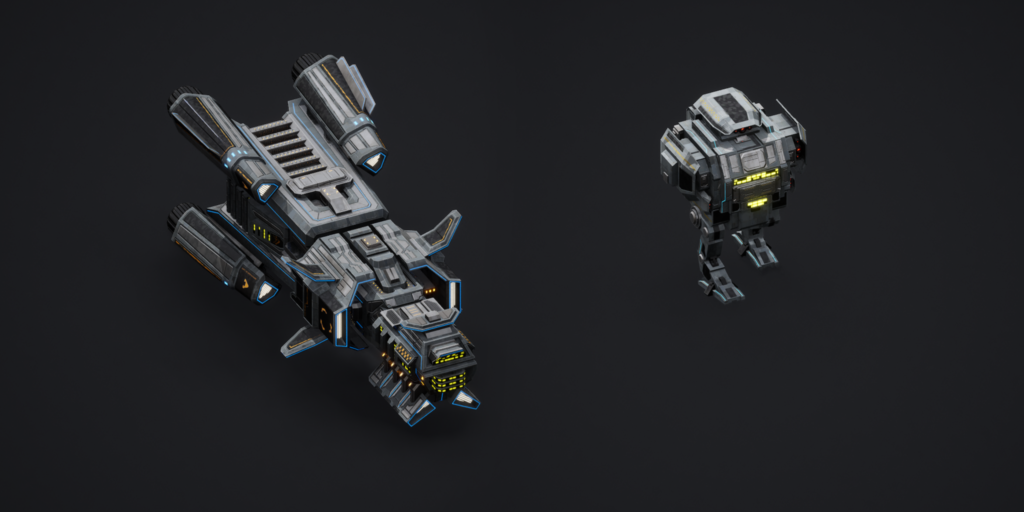
Cruiser (Medium / Mid Range): Versatile combatant adaptable to most situations.
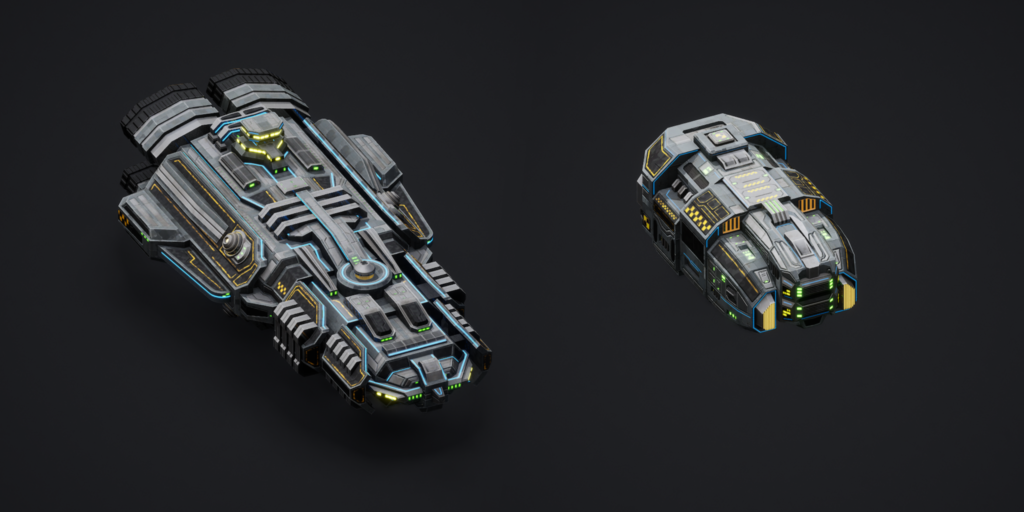
Vanguard (Heavy / Short Range): Massive defender designed to absorb damage and hold the line.
Modular Design
Unlocking a unit class is just the beginning. The true depth lies in tailoring your units to your specific needs by mixing and matching Modules.
Offensive Modules form the core of your firepower and fall into four categories:
- Energy Weapons: Weak against shields, but devastating against Hull.
- Kinetic Weapons: The best tool to strip away enemy shields.
- Area of Effect (AoE): Zone damage, though they can be physically countered by defensive systems.
- Hangars: Deploys autonomous strike craft (fighters/bombers) that deal damage over time.
Beyond offense, you will rely on Defensive Modules (Shields, Armor, HP, Regeneration) to survive. Finally, Utility Modules provide the ultimate layer of customization: these unique components allow you to create specialized synergies, like modifying how your weapons behave or unlocking new interactions, enabling you to craft unexpected builds that fit your strategy.
Physics-Based Combat
In Beyond Astra, combat is physically simulated. All damage calculations are based on tangible ballistics: if a projectile hits, it hits. This means that positioning and movement are not just visual, they make the real difference between victory and destruction.
PvE: The Living Galaxy
Exploration is dangerous. Beyond Astra features a rich PvE (Player vs. Environment) element on both planets and in space. You will clash with hostile wildlife, ancient automated defenses, and massive Boss creatures.
Combat isn’t just about conquering neighbors, it’s about surviving the universe. Defeating these threats grants XP and drops resources and unique modules you cannot research normally.
This system ensures that the game is dynamic from the very beginning. As the game progresses, the environment evolves in difficulty. We also feature Galactic Crises threats present from the start that grow and mutate based on the actions of all civilizations.
With the final three pillars unveiled, you now have the complete picture of Beyond Astra’s strategic core. Whether you are a warmonger intent on hunting down every boss, or a pacifist using faith to destabilize hostile empires, the true depth of the game lies in how you combine these six systems. We are currently using this extra development time to fine tune these synergies, ensuring that every decision you make ripples across the galaxy in logical and exciting ways.
We wish you a wonderful holiday season.
Toward Astra and beyond
Alex & Valentin